Physical Address
Ecwa Samaru Kataf
Physical Address
Ecwa Samaru Kataf

Promoting Atyap Music
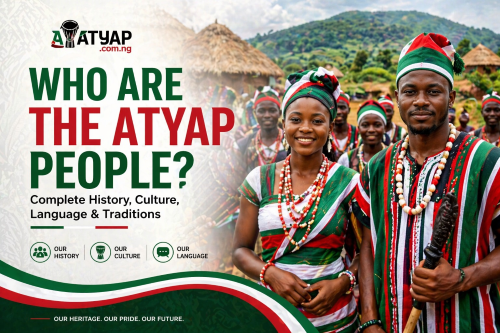
The Atyap people are one of the most culturally rich and historically significant ethnic groups in Nigeria, predominantly located in southern Kaduna State. Known for their strong sense of identity, resilience, and deep-rooted traditions, the Atyap people have preserved their heritage through generations despite social and historical changes.
This article explores everything you need to know about the Atyap people—their origin, history, culture, music, language, and way of life.
The Atyap people are indigenous to the Zangon Kataf Local Government Area of Kaduna State in northern Nigeria. They are part of the larger ethnic groups found within the Middle Belt region of Nigeria, an area known for its cultural diversity.
Historically, the Atyap people lived in small, organized communities governed by traditional systems of leadership. These systems were built on respect for elders, communal living, and shared responsibilities.
Before colonial influence, the Atyap people practiced traditional religion, which involved reverence for ancestors, spiritual beliefs, and natural elements. Their worldview was deeply connected to the land, which played a central role in their survival and identity.
During the colonial era, significant changes occurred, including the introduction of Christianity and Western education. While these influences shaped aspects of Atyap society, the people maintained their cultural identity and traditions.
Atyap culture is built on strong values such as unity, respect, courage, and community living.
Festivals are an important part of Atyap life. These events bring people together to celebrate harvests, victories, and cultural identity. During these festivals, traditional music, dance, and attire are prominently displayed.
Marriage in Atyap culture is not just a union between two individuals but a connection between families. Traditional rites, family consent, and cultural ceremonies play a significant role in the marriage process.
The Atyap people are known for their distinct traditional clothing, often designed with green, white, and red colors. These colors symbolize:
These outfits are worn during festivals, ceremonies, and cultural gatherings.
The Atyap language is a key part of the people’s identity. It is used to communicate, tell stories, and preserve cultural knowledge.
Although many Atyap people also speak Hausa and English, efforts are being made to ensure that the Atyap language is not lost. Language preservation is important because it carries the history and worldview of the people.
Music plays a vital role in Atyap culture. Traditional songs are used to:
Atyap music often includes drums, rhythmic patterns, and group performances. Songs are usually performed during festivals, marriages, and community gatherings.
Modern artists like Chris Tuta are helping to promote Atyap music beyond local communities by blending traditional sounds with modern styles.
Traditionally, the Atyap people practiced indigenous religion, which involved spirituality, ancestors, and natural forces.
Today, Christianity is widely practiced among the Atyap people. However, many traditional values and cultural beliefs still influence their way of life.
Farming is the primary occupation of the Atyap people. Crops such as maize, millet, and vegetables are commonly grown.
Their lifestyle reflects simplicity, hard work, and strong community bonds. People support one another, especially during farming seasons and major life events.
In today’s fast-changing world, many cultures are at risk of being forgotten. For the Atyap people, preserving their culture is essential for maintaining identity and passing traditions to future generations.
Digital platforms like Atyap.com.ng are playing a crucial role by:
The Atyap people are a proud and resilient ethnic group with a rich cultural heritage that continues to thrive. From their history and traditions to their music and language, every aspect of Atyap life reflects a deep connection to identity and community.
As efforts continue to preserve and promote this culture, the Atyap people remain a shining example of how tradition and modernity can coexist.